How to Reconstitute Peptides
A 7-step photo walkthrough for preparing lyophilized (freeze-dried) peptide powder with bacteriostatic water. Follow each step carefully to preserve peptide integrity.
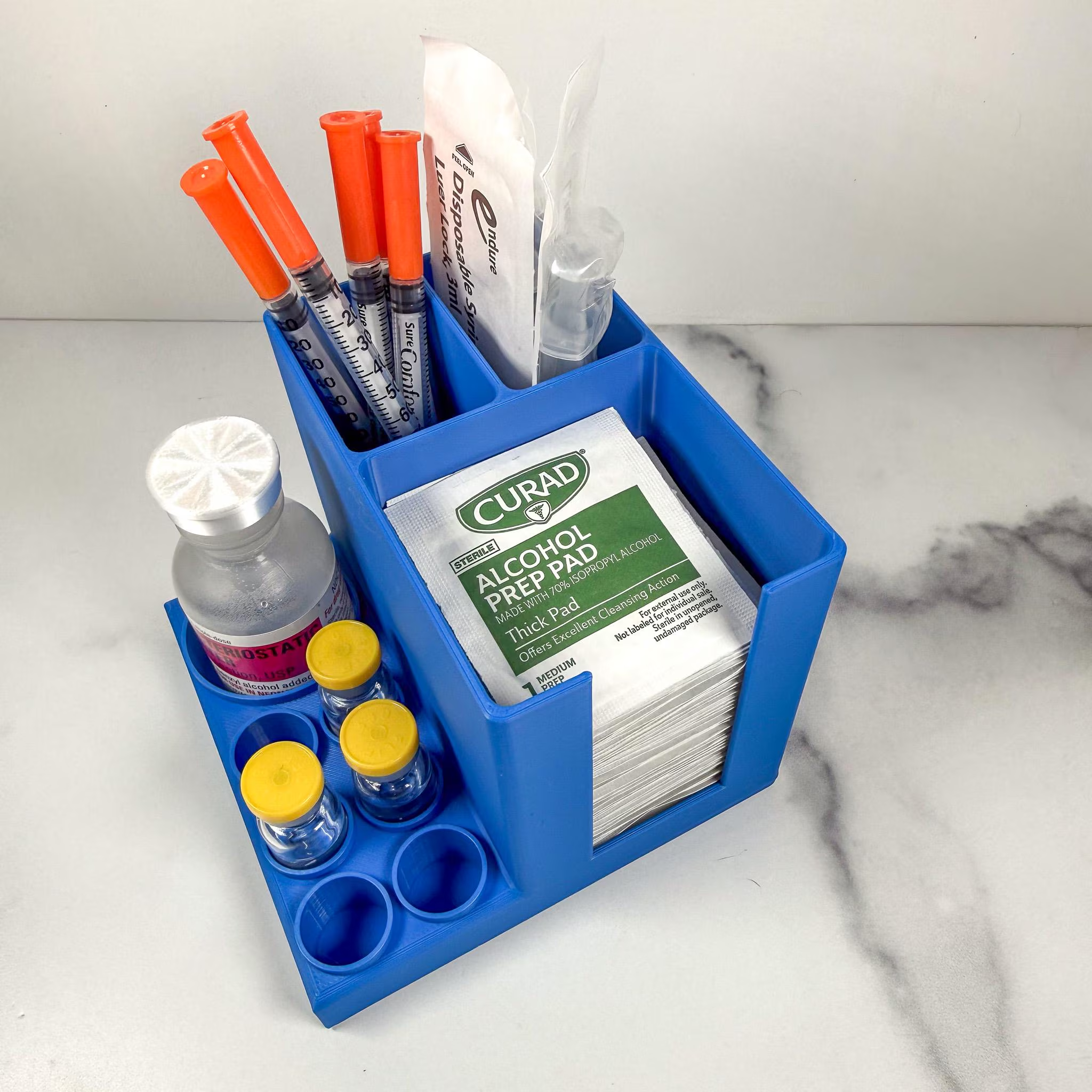
Gather your supplies
You will need: the peptide vial, bacteriostatic water (BAC water), an insulin syringe (U-100), an alcohol swab, and optionally sterile gloves. Make sure all surfaces are clean.
Technique guidance only. Not medical advice. Consult a healthcare provider.
Get these supplies
- Insulin Syringes (U-100)Amazon
31G, 1 mL — standard for SubQ
- Reconstitution NeedlesAmazon
18–21G large bore
- Lambda BAC WaterPartner
Pharmaceutical-grade, multi-use vials
- Alcohol Prep PadsAmazon
70% IPA, pre-saturated
- Nitrile GlovesAmazon
Powder-free, non-sterile
Amazon links are affiliate links — we may earn a small commission at no cost to you.
What you will need
Frequently Asked Questions
What is bacteriostatic water and why is it used for peptide reconstitution?
Bacteriostatic water (BAC water) contains 0.9% benzyl alcohol as a preservative, which inhibits bacterial growth and allows the vial to be used multiple times over weeks. Sterile water for injection is single-use only and not suitable for multi-dose peptide vials.
How much bacteriostatic water should I add to a peptide vial?
The most common approach is 1–2 mL of BAC water per 5 mg peptide vial. Use the Research Stack dosing calculator to determine the exact volume that gives you a convenient draw amount on a U-100 syringe.
Why should you not shake a peptide vial after adding BAC water?
Vigorous shaking can create foam and mechanical stress that breaks peptide bonds, reducing potency. Always gently swirl or roll the vial between your palms until the solution is clear.
How long does a reconstituted peptide last in the refrigerator?
Most reconstituted peptides are stable for 4–6 weeks when stored refrigerated at 2–8°C (35–46°F) and kept away from direct light. Always label your vial with the reconstitution date.
Can you freeze a reconstituted peptide?
Freezing reconstituted peptides is generally not recommended as freeze-thaw cycles can degrade potency. Lyophilized (dry powder) peptides can be stored frozen before reconstitution, but once mixed with BAC water, keep refrigerated only.